April 20, 2026
Designing a kitchen is a significant undertaking that requires careful planning and a keen eye for detail. Among the most crucial decisions you will make during this process is how to pair your surfaces and storage elements to create a harmonious space. The relationship between these two major components sets the tone for the entire room, dictating whether the atmosphere feels modern, traditional, rustic, or something entirely unique. This means that taking the time to carefully select materials that complement one another is absolutely essential for anyone looking to build a timeless and elegant interior design. When you embark on a renovation journey, achieving a cohesive aesthetic means finding the perfect balance between style and functionality. Homeowners often struggle to envision how different materials, colors, and textures will interact within the same environment. Fortunately, by following a few foundational design principles, you can transform a disjointed layout into a beautifully unified area. Whether you are installing a custom countertop to serve as a stunning focal point or updating your cabinetry to brighten the room, understanding how to coordinate these features is essential for a successful remodeling project. Let us explore the best strategies for blending these vital kitchen elements seamlessly.
Assessing Your Overall Kitchen Style
Before diving into specific colors or materials, it is vital to determine the overarching aesthetic you want to achieve in your home. Your preferred interior design theme will guide every subsequent choice you make. For instance, if you lean toward a contemporary minimalist look, you will likely favor sleek, flat-panel cabinetry paired with a streamlined custom countertop that features subtle veining or a solid color. Conversely, a farmhouse or traditional design might call for ornate, raised-panel wood cabinetry complemented by surfaces with rich, intricate patterns. Taking the time to gather inspiration from design magazines or online galleries can help you define your vision clearly. Once you have a firm grasp on your desired style, coordinating your primary kitchen elements becomes a much more intuitive process. You can confidently eliminate options that clash with your theme and focus entirely on combinations that enhance your chosen aesthetic. This strategic approach ensures that every component works together to tell a unified design story, rather than competing for attention. Your kitchen is the heart of the home, and establishing a clear style from the beginning will make the entire renovation process significantly smoother and much more enjoyable for everyone involved.
Choosing the Right Color Palette
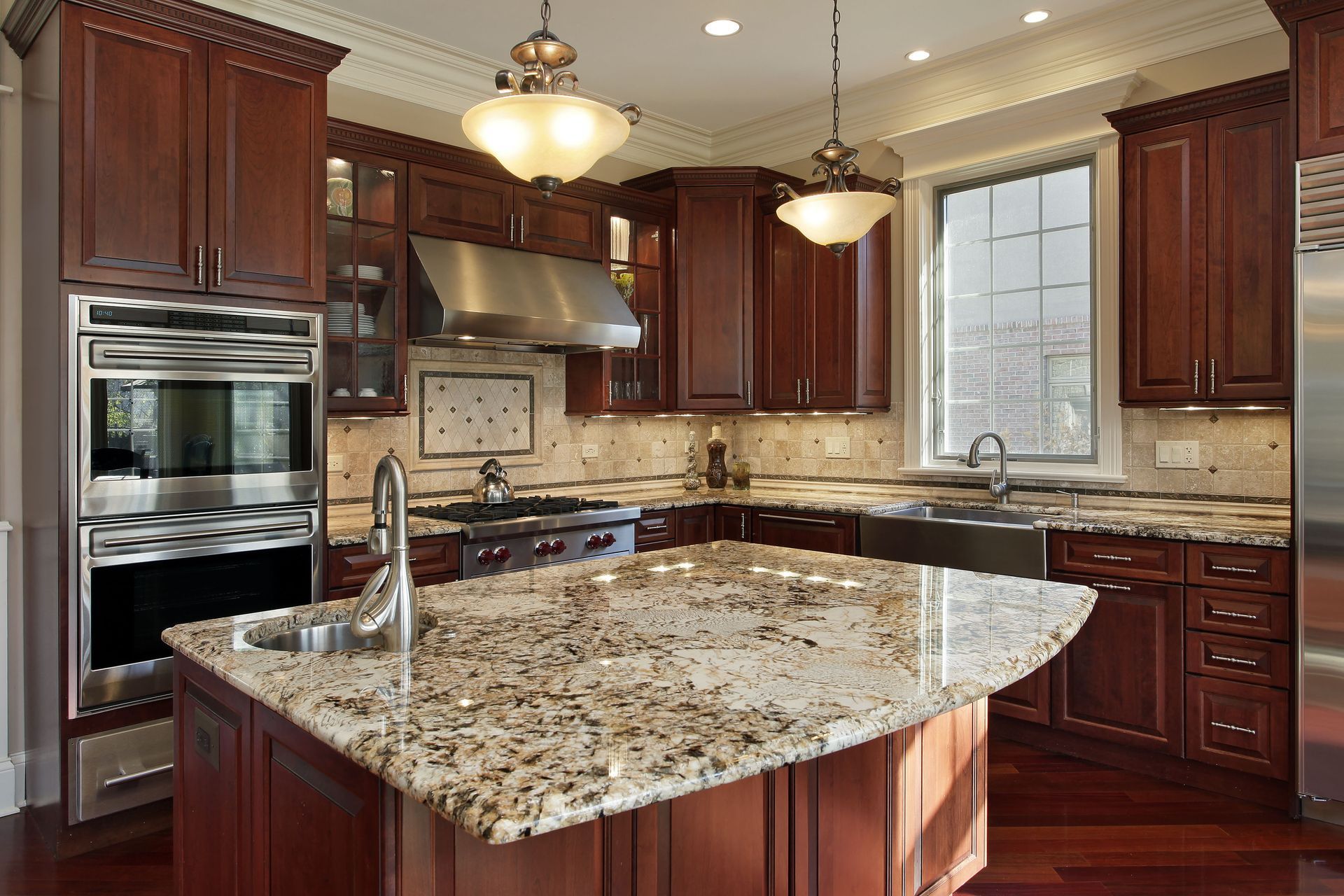
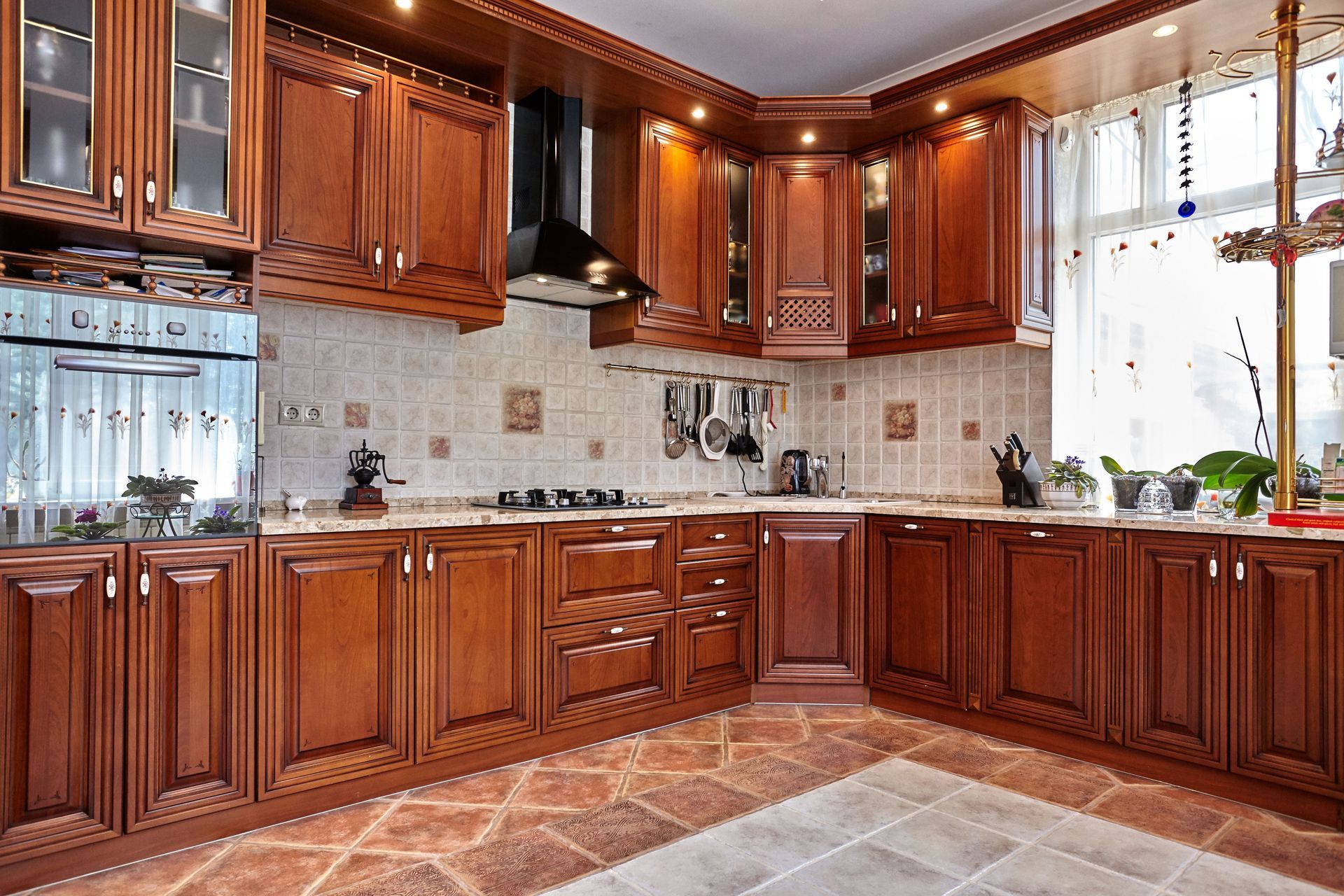
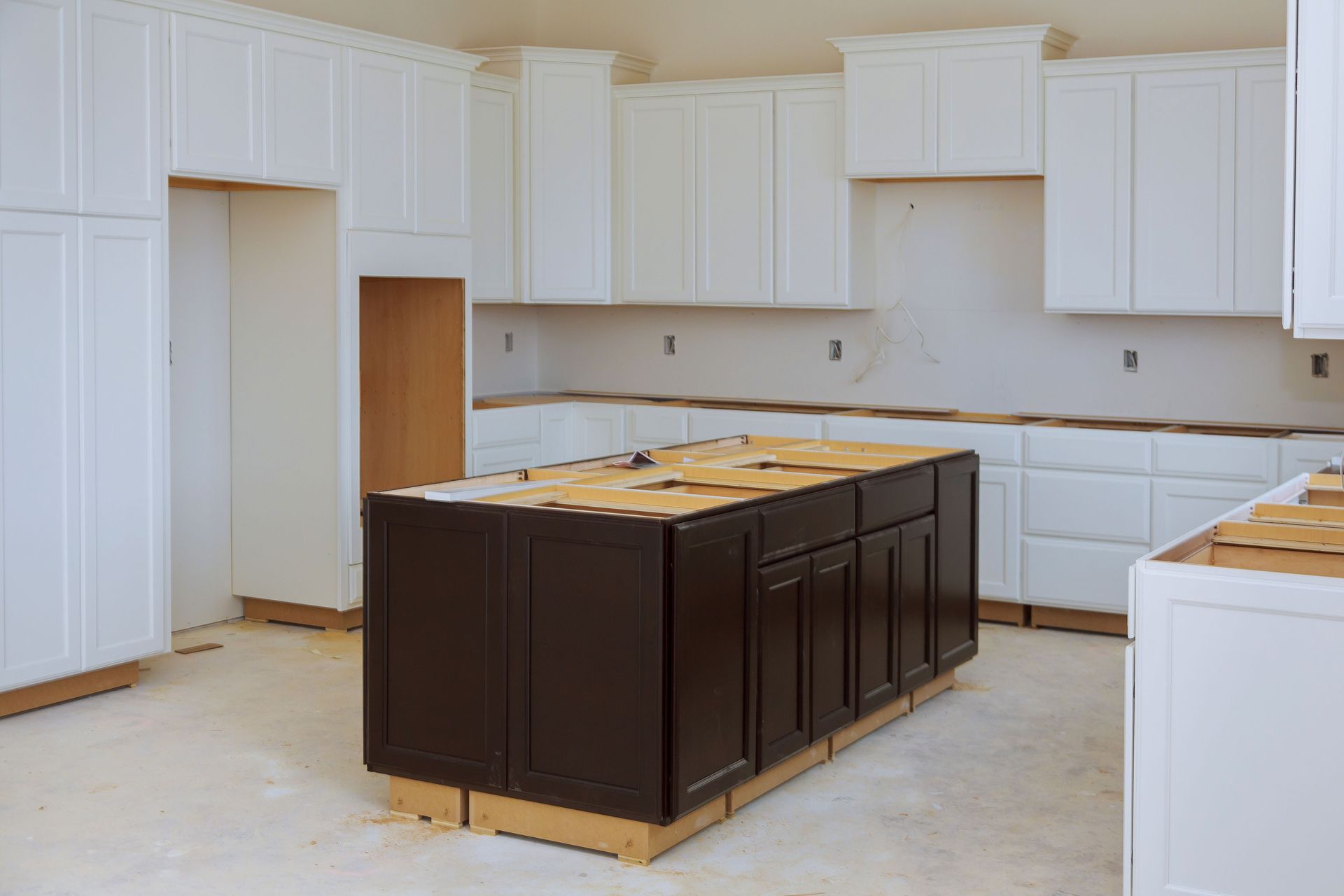
Color is arguably the most impactful tool at your disposal when trying to achieve a unified look. When selecting hues for your storage and surfaces, you generally have a few main approaches: complementary or contrasting. A complementary color scheme uses shades that sit closely together on the color wheel, creating a soothing and harmonious environment. For example, pairing warm oak wood with a beige or soft brown custom countertop establishes an inviting, monochromatic feel. On the other hand, a contrasting color palette creates dramatic visual interest. Crisp white cabinetry paired with deep charcoal or black surfaces is a classic, timeless combination that immediately draws the eye. Regardless of which approach you choose, it is crucial to consider the undertones of your materials. Ensure that the warm or cool undertones of your cabinetry align with the undertones of your chosen surface material to prevent any subtle visual clashing that could disrupt the room's harmony. Carefully testing paint swatches alongside your stone or wood samples in natural daylight will reveal how these colors truly interact.
Balancing Textures and Finishes
Beyond color, the tactile qualities and visual finishes of your materials play a massive role in how the space comes together. A well-designed kitchen expertly balances different textures to create depth and character without overwhelming the senses. If you select glossy, highly polished cabinetry, you might consider pairing it with a honed or matte custom countertop to soften the glare and add an element of sophisticated contrast. Conversely, if your wooden cabinets feature a prominent, rough-hewn grain, a sleek, polished surface can provide a beautiful juxtaposition that highlights the unique characteristics of both materials. Paying close attention to how light interacts with these finishes is also essential. Glossy surfaces reflect natural and artificial light, making a small room feel larger, while matte finishes absorb light, creating a cozier, more intimate atmosphere. By thoughtfully mixing and matching these varied textures, you ensure your space feels dynamic, layered, and expertly curated to your specific tastes.
Selecting the Perfect Material
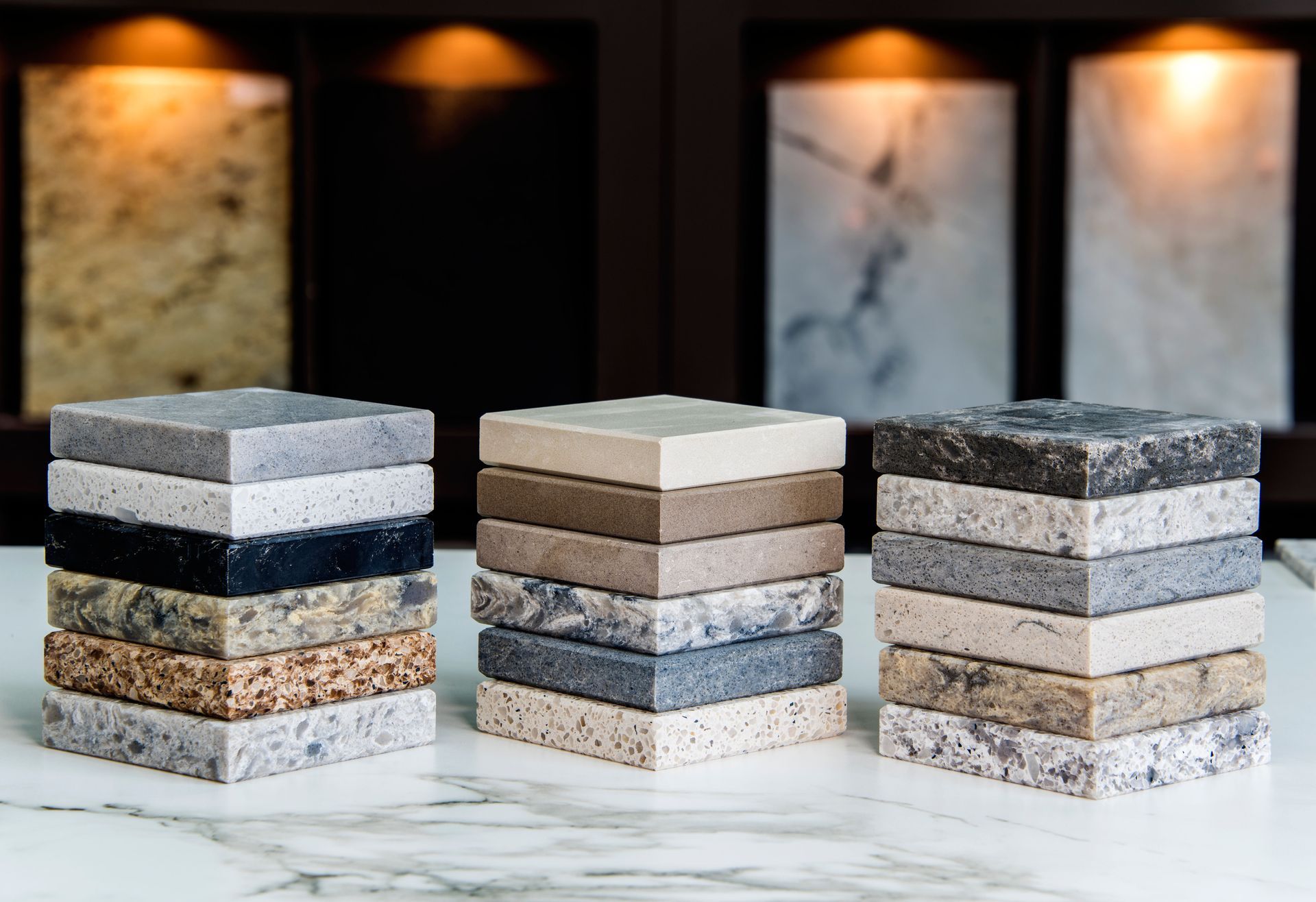
The physical material you choose for your surfaces will significantly influence your coordination strategy. Natural stone, engineered quartz, solid surface, and butcher block each bring entirely different visual weights and maintenance requirements to the table. When deciding on the right material, consider both its aesthetic compatibility with your cabinets and its long-term durability. According to Grand View Research, by product, granite countertops led the market and accounted for a share of 28.0% in 2025. This popularity is largely due to the material's unique natural beauty and incredible resilience, which pairs beautifully with both stained and painted wood. If you prefer a more uniform look, an engineered custom countertop might be the ideal choice, as it offers precise color control that makes matching your paint or wood stain remarkably straightforward. Always bring physical samples of your materials into your actual kitchen space to see how they look together under your home's unique lighting conditions before making a final commitment to purchase.
Harmonizing with Hardware and Accessories
The final touches in your kitchen, such as drawer pulls, cabinet knobs, faucets, and lighting fixtures, act as the jewelry that ties the entire room together. These metallic accents serve as a vital bridge between your cabinetry and your custom countertop, reinforcing your chosen design theme. If your surfaces feature warm gold or brown veining, installing brass or antique bronze hardware on your doors and drawers can beautifully highlight those subtle hues. Alternatively, if you have selected cool gray surfaces and crisp white cabinetry, polished chrome or brushed nickel hardware will maintain a sleek, modern, and unified appearance. Consistency is key when selecting these accessories; mixing too many different metal finishes can create a chaotic and disorganized feel. By treating your hardware as an integral part of the overall design rather than an afterthought, you can effectively cement the cohesive relationship between your major kitchen elements and finalize your aesthetic vision.
Ultimately, bringing your dream kitchen to life requires patience, a clear vision, and a thoughtful approach to material selection. By assessing your preferred style, understanding color theory, balancing diverse textures, and paying close attention to the small details, you can design a space that is both exceptionally functional and visually stunning. The careful pairing of your primary design elements ensures that your home will remain a beautiful, welcoming gathering place for years to come. Investing in a high-quality, perfectly coordinated custom countertop is a spectacular way to elevate your property's value and your everyday living experience. If you are ready to transform your kitchen into a cohesive masterpiece, our expert team is here to guide you through every step of the process. Call Rock Solid Countertops & More today to learn more about our premium materials and schedule your personalized consultation. We look forward to helping you build the kitchen of your dreams with unparalleled craftsmanship and dedicated customer service.